BNP: A Historical Overview

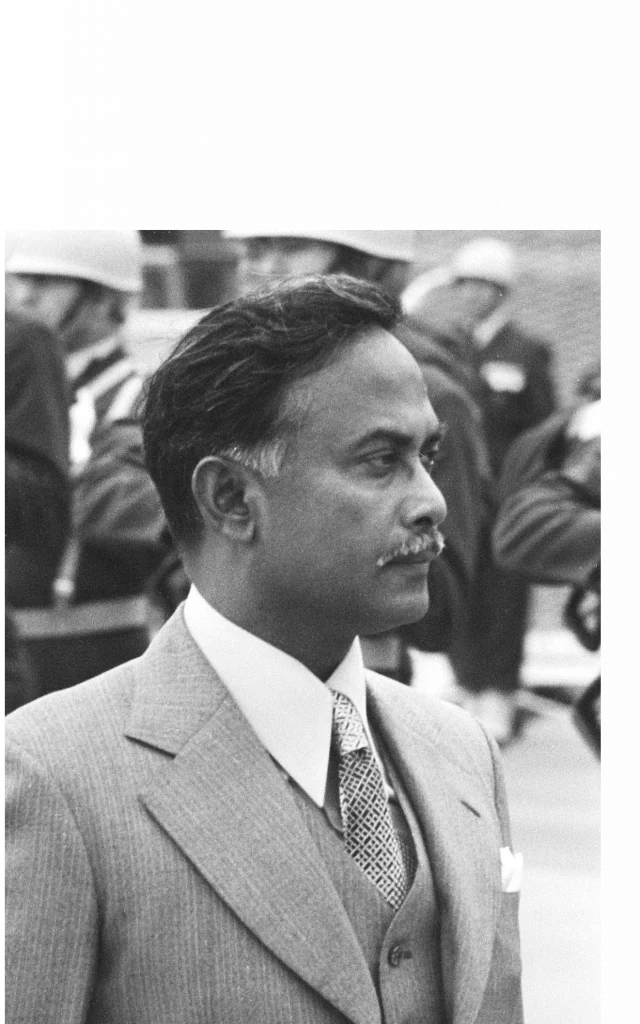
The Bangladesh Nationalist Party (BNP) was founded on 1 September 1978 by President Ziaur Rahman. Emerging at a time when the country needed stability and unity, Zia created the party to uphold Bangladeshi nationalism, democracy, and economic progress. Under his leadership, BNP quickly grew into a strong political force and won the 1979 general election, forming the government with a clear majority. Ziaur Rahman is remembered for laying the foundation of the party and giving it a vision rooted in national identity, development, and people’s empowerment.
However, this journey was cut short when Ziaur Rahman was tragically assassinated in 1981, a loss that left the nation in deep shock and grief. His sudden death created a void in national politics, but his vision and ideals continued to inspire millions.
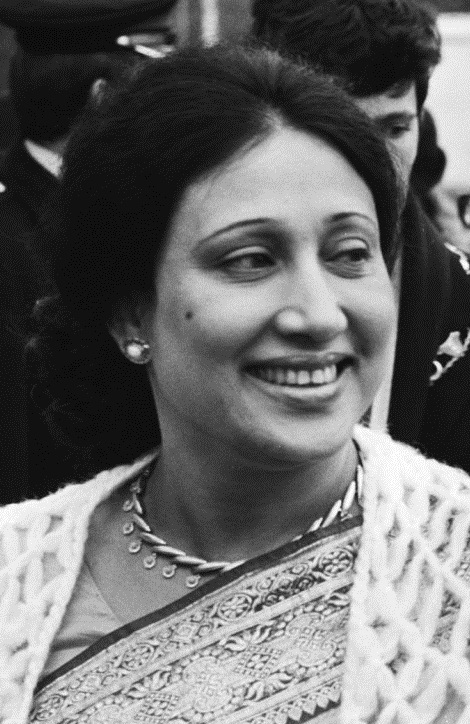
In the difficult days that followed, his wife Begum Khaleda Zia stepped forward to carry on his legacy. With courage and determination, she rebuilt and strengthened the party, leading BNP to the forefront of the democratic movement of the 1980s. Her leadership eventually brought the party to power in 1991, when she became the first female Prime Minister of Bangladesh, keeping alive the mission her husband had begun.